EN
EN 

Object Recovery
Gentle hydroabrasive cleaning of metal, plastic and other objects for restorers, collectors and workshops specialising in the recovery of antiques and historical items
Why restoration demands a special approach to cleaning
Antique and historical objects carry decades of history in their surface. A single mistake during cleaning can permanently destroy patina, relief, engraving or a thin metal layer that took decades to form. This is why standard methods — sandblasting, aggressive solvents or mechanical abrasion — are simply not acceptable here.
Aquablast takes a different approach. The technology removes rust, dirt, paint coatings and oxides from metal, plastic, ceramic and other materials — gently, without altering the shape or surface texture of the object. Processing takes place exclusively inside a sealed cabinet, which eliminates any risk of accidental damage and protects the operator.
What can be restored with aquablast
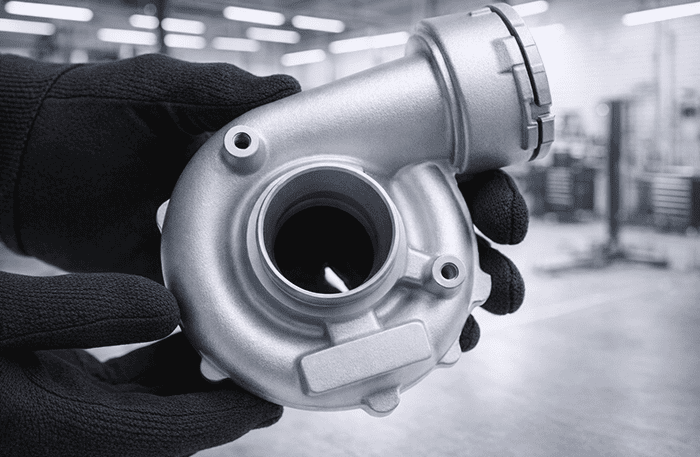
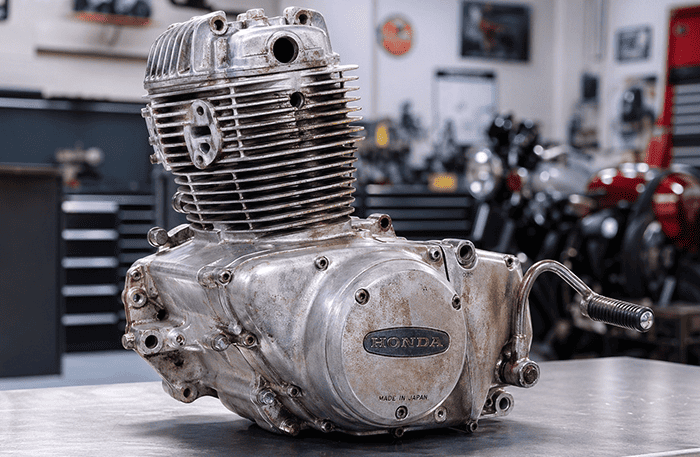
The technology suits a wide range of objects: antique metal items — figurines, candlesticks, cutlery, hardware, coins, orders and medals; automotive and motorcycle parts — chrome trim, carburettors, brackets and housings in classic vehicle restoration; tools and mechanisms — antique clockwork movements, hand tools, locks and hinges; aluminium and plastic objects — decorative elements, frames and trim panels that require cleaning without any change to their shape.
How aquablasting technology works
The object is placed inside the sealed aquablast cabinet. A mixture of water and fine glass beads is then delivered under adjustable pressure onto the surface of the item. Water acts as a softening buffer: it prevents the abrasive from cutting aggressively into the metal and instead lifts contaminants layer by layer — in the same way that water naturally polishes stone, but many times faster.
Pressure and processing intensity are adjusted to suit the specific material and degree of contamination. The result is a surface cleaned back to the original metal with the relief, engraving and historical texture fully preserved — the object looks restored, not stripped.
Aquablast vs. sandblasting: why the difference matters in restoration
|
✔ Aquablast Gentle action — preserves relief, engraving and patina. No dust — work inside a sealed cabinet. Adjustable pressure for every material. Suitable for metal, aluminium, plastic and ceramic. The object looks restored, not damaged. |
✖ Sandblasting Aggressive impact — erases engraving, patina and fine surface detail. High risk of irreversible damage to a valuable object. Unsuitable for fragile and thin-walled items. |
Running costs: why aquablast is worth it
Consumables are water, glass beads (recovered in a closed loop) and electricity. No expensive chemical compounds, no disposal costs. The total cost of consumables and electricity is approximately 19 PLN per hour of operation — while the value of the objects being restored is often incomparably higher.
For restoration workshops and independent specialists this means: minimal running costs, complete safety for high-value objects and consistent quality on every commission.
We will help you choose the right machine for your objects
Aquablast models differ in cabinet size and pressure range. For restoration work it is essential to select a machine with precise adjustment — to handle both large components and small objects with delicate surface detail. We will help you find the right model for your needs — contact us for a free consultation.